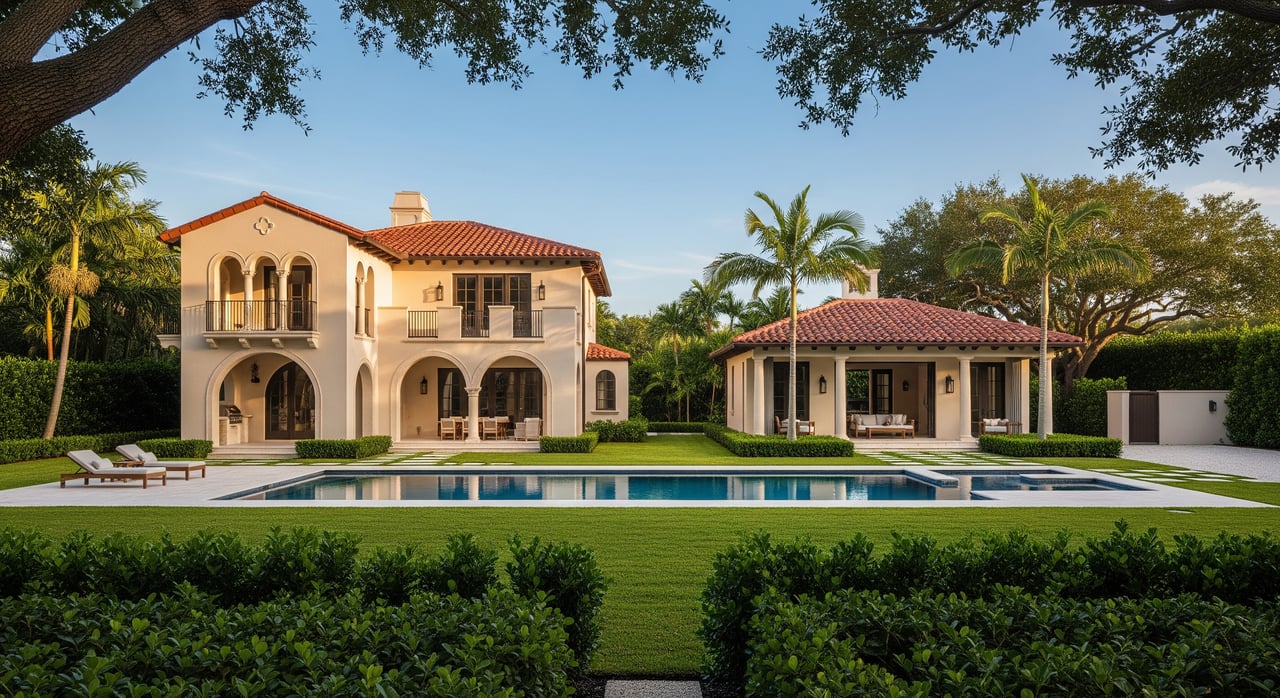
Trying to choose between a single-story or two-story home in Pinecrest? You are not alone. Families love Pinecrest for its larger lots, tree-lined streets, and private pools, but the right layout depends on how you live now and how you plan to live years from today. In this guide, you will compare daily functionality, renovation options, and resale factors so you can make a confident, long-term choice. Let’s dive in.
Pinecrest housing basics
Pinecrest is a suburban village of almost all single-family homes with mature landscaping, wide streets, and generous yards. Many parcels are a quarter acre or larger, and some stretch to half an acre or more. Larger lot sizes make single-story living very feasible without giving up outdoor space, while smaller lots, where they exist, often favor two-story homes to maximize interior square footage.
Zoning in Pinecrest is primarily for single-family use with specific rules for setbacks, maximum lot coverage, and height. Before you plan additions or exterior changes, confirm details with the Village of Pinecrest and Miami-Dade County permitting. While Pinecrest sits inland, flood zone status still varies by parcel, so check FEMA designations and base flood elevation. Flood insurance and elevation requirements can influence both renovation choices and operating costs.
Single-story advantages
Accessibility and aging in place
A single level makes day-to-day living simpler for people with mobility limitations and for long-term aging in place. It is easier and typically less costly to implement universal design on one level than to retrofit stairs, lifts, or an elevator. If you are planning for multigenerational living, single-story access can be a decisive benefit.
Family routines and supervision
Parents often value having bedrooms and living spaces on one level when caring for small children. Shorter routes, easier monitoring, and fewer trips up and down stairs reduce friction in daily routines. Laundry, groceries, and pool time usually feel more seamless in a single-level layout.
Indoor and outdoor flow
Single-story homes often deliver direct kitchen-to-backyard connections, which is ideal for pool oversight and entertaining. In Pinecrest, where outdoor living is a core part of the lifestyle, that straightforward flow can elevate everyday use of patios and lawns. On most larger lots, you still maintain generous yard space even with a larger single-level footprint.
Maintenance and safety
With one roof height, exterior maintenance like gutters and roof checks is typically easier. Keep in mind that a single-story home with the same interior area as a two-story will have more roof surface overall, which can increase replacement costs over time. For emergency planning, having all bedrooms on one level can simplify egress.
Two-story advantages
Space efficiency on smaller lots
If you want more interior square footage on a smaller lot, stacking your space makes sense. Two-story homes conserve yard by building up instead of out. That can be useful if you want extra bedrooms, a dedicated office, or a media room without expanding the footprint.
Privacy and noise separation
Vertical separation can create a quieter sleep zone and clearer distinction between public and private spaces. Many families prefer kids’ bedrooms upstairs with entertaining areas downstairs. Guests can enjoy the first floor without interrupting late sleepers.
Construction and energy factors
For a given interior area, two-story homes often have less roof and foundation surface than comparable single-story homes, which can translate to construction and roofing cost efficiencies. Energy performance depends on design and HVAC zoning. In Florida heat, upstairs spaces need careful insulation and climate control planning to stay comfortable.
Safety and stairs considerations
Stairs add a daily step count and can be a challenge for toddlers, older adults, or anyone with mobility concerns. Emergency egress from upper floors is an added planning factor. If you anticipate aging in place, weigh the future cost of stair lifts or an elevator.
Lifestyle fit scenarios
Choose a single-story if you want:
- One-level accessibility for aging-in-place or multigenerational living.
- Direct indoor and outdoor flow for pool oversight and easy entertaining.
- Simpler day-to-day circulation for young kids, pets, and chores.
- Easier access for exterior maintenance at a single roof height.
Choose a two-story if you want:
- More bedrooms or flex rooms on a smaller lot without reducing yard space.
- Clear separation between private and public zones for noise control.
- Potential construction efficiencies with less roof and foundation area.
- A layout that supports work-from-home needs away from active living spaces.
Yard, pool, and outdoor living
Outdoor living is a Pinecrest hallmark. Single-story plans usually provide several direct exits to patios and pool decks, which simplifies supervision and entertaining. Two-story plans protect more green space on smaller parcels because they occupy less ground area for the same interior square footage. On larger lots, both formats can achieve generous outdoor zones with covered terraces, lawns, and a pool.
Renovation and permitting in Pinecrest
Adding a second story to a single-story home requires a thorough structural assessment. Foundations and framing must support additional loads, and projects must meet Florida Building Code and Miami-Dade wind-load and impact standards. Many older ranch homes may need significant reinforcement, so build realistic budgets and timelines.
Major remodels and additions need permits and plan review. Expect to submit structural drawings and engineering, and provide flood-elevation documentation if the parcel is in a regulated zone. If your home was built in the mid-to-late 20th century, plan for possible upgrades to electrical panels, plumbing, and HVAC to align with current codes.
Thinking about an accessory dwelling, pool house, or guest cottage? Allowances depend on Pinecrest zoning and any private covenants on the property. Verify rules upfront so you do not design something that the code or neighborhood restrictions will not permit.
If the lot is in a FEMA flood zone, you may need to elevate living areas or mechanical systems for substantial renovations. Wind-resistance requirements are strict in Miami-Dade, and changes to the roof or exterior envelope often trigger compliance upgrades such as impact glazing and roof tie-downs. Structural additions typically cost more, take longer, and disrupt daily life more than interior remodels or lateral additions.
Resale and value in Pinecrest
Pinecrest attracts both family buyers and downsizers who value yard space, privacy, and single-family living. Single-story homes often appeal to buyers who prioritize accessibility or plan for long-term aging in place. Two-story homes attract buyers who want more bedrooms or offices on a smaller footprint and prefer separation between living and sleeping areas.
On appraisals, factors like total living area, bathroom count, lot size, pool, and quality of upgrades usually carry more weight than the number of levels. Impact windows, a newer roof, and updated systems can support value and reduce insurance costs. Align your staging and marketing with the most likely buyer, whether that is a family that needs bedrooms or an empty-nester seeking single-level simplicity.
Modern buyers in Pinecrest expect open-concept living, updated kitchens and baths, and outdoor amenities such as covered patios and a pool. Delivering those features can raise marketability for both single-story and two-story properties.
Costs, insurance, and operations
Insurance is a meaningful cost in Miami-Dade. Flood zone status, elevation, roof age, and wind-mitigation features influence premiums and deductibles. Homes outside high-risk flood zones or with documented mitigation can see lower costs, while older roofs or non-impact windows can raise them.
Daily operating costs depend on design, insulation, and HVAC setup. Well-zoned systems improve comfort and efficiency, especially in two-story homes. Regardless of level count, regular roof maintenance, sealed openings, and efficient mechanicals support performance and help control bills.
Buyer checklist for Pinecrest
Use this quick list as you tour homes:
- Zoning and restrictions: Confirm setbacks, lot coverage, height limits, and any HOA or deed covenants that affect additions or exterior changes.
- Flood and elevation: Check FEMA maps and ask for any elevation certificates and flood claim history.
- Structure and roof: Review roof age, condition, and wind-code compliance. Seek early structural evaluation if you might add a second story.
- Hurricane protection: Verify impact-rated windows and doors or permitted shutter systems. Request permits for any wind-mitigation upgrades.
- Mechanical systems: Check HVAC age and capacity, electrical panel size, plumbing condition, and sewer connection versus septic.
- Yard, pool, drainage: Assess pool age and equipment, site grading, and any standing-water risks. Note mature trees and root proximity to structures or septic.
- Accessibility: Confirm bedroom and bathroom access that fits long-term needs, and consider how easily you can add universal design features.
- Permits and history: Ask for permits and certificates of occupancy for past renovations to avoid surprises with financing or insurance.
- Schools and commute: Confirm current public school assignments and test drive commutes to employment, shopping, and major roads.
- Insurance: Request insurance history, premiums, and any hurricane or flood claim records.
Seller checklist for Pinecrest
Maximize market appeal with targeted prep:
- Define your target buyer: Families needing bedrooms or downsizers seeking single-level living. Stage to match that profile.
- Improve first impressions: Refresh landscaping, pressure clean hardscapes, and highlight indoor and outdoor flow.
- Update the essentials: Where feasible, prioritize impact windows, roof documentation, and HVAC service records.
- Open and connected layout: Light interior updates that enhance open sightlines and indoor and outdoor access can pay off.
- Permit package: Assemble permits, warranties, and renovation records to streamline appraisal, insurance, and buyer diligence.
- Insurance readiness: Have wind-mitigation reports and any flood documentation available for buyers and their insurers.
Next steps in Pinecrest
Both single-story and two-story homes work beautifully in Pinecrest, but the right choice depends on your daily routines, long-term plans, and the specific lot. Use the checklists to evaluate each property through a lifestyle, renovation, and resale lens. When you are ready for a curated shortlist and strategy tailored to your goals, connect with Jorge Hidalgo to compare options block by block and move with confidence.
FAQs
Are single-story homes more expensive to maintain in Pinecrest?
- For the same interior area, a single-story has more roof surface than a two-story, which can raise roof replacement costs over time, but exterior access and routine maintenance are often easier at a single height.
How do flood zones affect Pinecrest home decisions?
- Flood zone designation and base flood elevation can influence renovation options, elevation requirements, and insurance premiums, so verify FEMA status and request any elevation certificates and claim history.
Can I add a second story to a Pinecrest ranch home?
- Possibly, but you will need a structural evaluation, engineered plans, and permits that meet Florida Building Code and Miami-Dade wind-load standards, and older homes may require significant reinforcement.
Do two-story homes cool efficiently in Miami heat?
- They can, especially with proper insulation and zoned HVAC, but upstairs spaces need careful design and climate control to stay comfortable in summer.
What matters more for appraisal in Pinecrest, levels or features?
- Appraisals typically weigh total living area, bath count, lot size, pool, and quality of upgrades more than the number of stories, with nearby comparable sales guiding value.
Are guest houses or ADUs allowed in Pinecrest?
- It depends on zoning and any private covenants on the property, so verify allowances for accessory structures with the Village and review recorded restrictions before planning.
