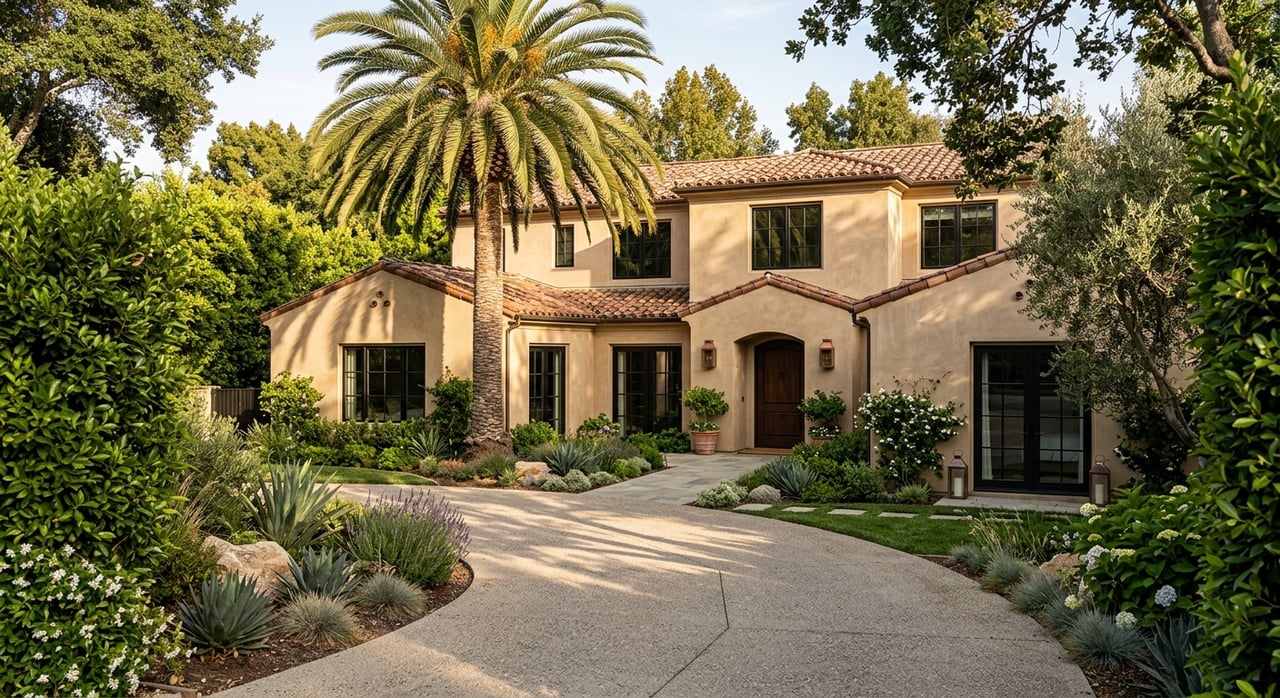
Looking for more space without feeling disconnected from Miami? Pinecrest often comes up for buyers who want a calmer residential setting, larger homesites, and easy access to everyday essentials. If you are weighing whether this village matches your lifestyle, this guide will help you understand what Pinecrest offers, where it may fall short, and how to decide if it is the right move for you. Let’s dive in.
What Pinecrest Feels Like
Pinecrest is an incorporated village in Miami-Dade County with roughly 18,388 residents spread across about eight square miles. It sits south of Downtown Miami and Miami International Airport, giving you a suburban setting while staying connected to the larger metro area.
The village describes itself through tree-lined streets, large estate lots, public schools, private schools, and a strong business corridor along Pinecrest Parkway, also known as US 1. That combination gives Pinecrest a very different feel from Miami’s urban condo districts. If you are looking for a low-density, single-family setting, that distinction matters.
Why Buyers Consider Pinecrest
For many buyers, Pinecrest stands out because it offers space, privacy, and a residential pace that can be hard to find closer to the urban core. The village’s comprehensive plan identifies single-family households as the dominant market, which helps explain the area’s overall layout and housing character.
In practical terms, that means you are not stepping into a dense mixed-use neighborhood. You are stepping into a village shaped largely around homes, yards, streetscapes, and community amenities, with commercial activity concentrated along the US 1 corridor.
Larger lots shape the experience
One of Pinecrest’s defining features is lot size. The village zoning map includes residential parcel sizes ranging from one unit per 7,500 net square feet to one unit per 15,000 net square feet, along with estate districts that allow one unit per gross acre and one unit per 2.5 gross acres.
A 2022 village planning document estimated Pinecrest’s residential density at 1.375 dwelling units per acre. For you as a buyer, that supports what many people notice right away: Pinecrest feels open, spacious, and less crowded than denser parts of Miami-Dade.
Single-family homes lead the market
Pinecrest is best known for single-family housing. Historically, the area grew in the 1950s and 1960s around ranch-style homes on acre lots, and that legacy still influences the village today.
Current housing options often include renovated single-family residences, Mediterranean-inspired homes, and new-construction estates on parcels of roughly 0.7 to 1.1 acres. If you appreciate architecture, lot presence, and the ability to spread out, Pinecrest can be especially appealing.
What Daily Life in Pinecrest Looks Like
Choosing a home is not just about square footage. It is also about how your day-to-day life will feel once you move in.
Pinecrest offers a lifestyle centered on residential streets, outdoor amenities, and corridor-based shopping and dining. That can be a strong match if you value a quieter home environment but still want convenient access to services.
Parks and recreation are a major draw
Pinecrest Parks & Recreation manages nine parks and more than 150 programs. Village facilities include Coral Pine Park, Evelyn Greer Park, Flagler Grove Park, Pawcrest Park, the Pinecrest Community Center, Red Road Linear Park, Suniland Park, and Veterans Wayside Park.
Pinecrest Gardens adds another layer to the local lifestyle. The village describes it as a 14-acre botanical garden and historic venue that welcomes more than 140,000 visitors each year. For many buyers, access to green space and organized recreation is a meaningful part of Pinecrest’s appeal.
Errands center around US 1
Pinecrest is not designed like a compact urban district where most errands happen within a few blocks. Instead, retail activity is concentrated along US 1, which forms the village’s western edge.
The village says more than 750 businesses line that corridor. That setup can work well if you like having shopping, dining, and services in one main commercial stretch while keeping the interior neighborhoods more residential in character.
Getting around is possible, but car-friendly living still matters
The village operates the free Pinecrest People Mover, which connects neighborhoods and schools and links to Metrobus. Pinecrest also has a 108-mile roadway network, a 28-mile sidewalk network, and shared-use path connections.
That said, Pinecrest’s layout still reflects a suburban pattern rather than an all-in-one walkable grid. If you want a place where you can step outside and handle most of your day on foot, Pinecrest may feel less convenient than more urban Miami neighborhoods.
Who Pinecrest Fits Best
Pinecrest tends to work best for buyers who know they want a single-family lifestyle. If your wish list includes privacy, outdoor space, and a more residential setting near Miami, Pinecrest checks many of those boxes.
It can be especially attractive for move-up buyers who want larger lots and homes with more architectural presence. If you are comparing neighborhoods through both a lifestyle and design lens, Pinecrest offers homesites and streetscapes that support a more expansive residential experience.
Pinecrest may be right for you if you want:
- A low-density residential setting
- A single-family home rather than a condo
- Larger lots and more separation between homes
- Access to parks and recreation facilities
- Convenient retail and services along US 1
- Proximity to Miami without living in the urban core
When Pinecrest May Not Be the Right Fit
Not every buyer will connect with Pinecrest’s layout or housing mix. That is not a negative. It simply means the village serves a specific type of lifestyle very well.
According to the village’s land use pattern and low-density zoning, Pinecrest is a weaker fit if you want a dense condo market, an urban grid, or a neighborhood where residential, retail, and dining uses are tightly integrated.
Pinecrest may feel less ideal if you want:
- A high-rise or condo-focused housing market
- A dense, urban neighborhood feel
- A highly walkable daily routine
- A central district where most errands happen close together
- Mixed-use living with shops and restaurants woven throughout the neighborhood
If that sounds more like your ideal setup, you may be happier in one of Miami’s more urban residential areas. The key is matching the place to the way you actually want to live.
How to Evaluate Pinecrest as a Buyer
When you tour Pinecrest, focus on more than the home itself. The village’s value often comes from the full package: lot size, street presence, access to parks, and how the property connects to the US 1 corridor.
Because Pinecrest includes a range of parcel sizes and home styles, your experience can vary significantly from one property to another. A renovated mid-century ranch and a new-construction estate may both be in Pinecrest, but they can offer very different lifestyles, maintenance needs, and design priorities.
Questions to ask yourself
- How important is lot size to your decision?
- Do you want a historic home, a renovated residence, or newer construction?
- How often will you use parks, recreation programs, and outdoor space?
- Are you comfortable with a suburban layout for errands and commuting?
- Do you want Pinecrest’s privacy more than urban walkability?
These questions can help you move past broad impressions and focus on fit. In a market like Pinecrest, clarity about your priorities can save time and lead to a better long-term decision.
Why Pinecrest Appeals to Design-Minded Buyers
Pinecrest is not just about square footage. It also offers a chance to think about home as a long-term lifestyle asset.
With its mix of ranch-era houses, renovated residences, Mediterranean-inspired homes, and newer estates, Pinecrest gives design-minded buyers more variety than a one-note subdivision might. If you care about architecture, site scale, and the relationship between a home and its landscape, Pinecrest can offer a compelling canvas.
That is part of what makes buyer guidance here so important. In a neighborhood shaped by lot size and individual property character, the right home is often the one that aligns with both your practical needs and your design sensibility.
Final Thoughts on Pinecrest
Pinecrest is a strong option if you want space, privacy, and a low-density single-family setting near Miami. Its zoning, housing history, parks system, and US 1 business corridor all support that identity.
At the same time, Pinecrest is not trying to be an urban live-work-play district. If you know you want condos, dense walkability, or a compact mixed-use neighborhood, you may want to look elsewhere.
If you are drawn to larger homesites, a more residential rhythm, and homes with architectural presence, Pinecrest deserves a serious look. For buyers who value that balance, it can be one of Miami-Dade’s most compelling single-family markets.
If you want expert guidance on whether Pinecrest aligns with your goals, architecture preferences, and lifestyle needs, schedule a confidential consultation with Jorge Hidalgo.
FAQs
Is Pinecrest a good place for buyers who want more space?
- Yes. Pinecrest’s low-density zoning, large residential parcels, and history of single-family homes on sizable lots make it a strong option if you want more outdoor space and separation between homes.
What kind of homes can you find in Pinecrest?
- Pinecrest includes ranch-style homes rooted in its 1950s and 1960s growth, along with renovated single-family houses, Mediterranean-inspired residences, and newer estate properties on large parcels.
Is Pinecrest a walkable neighborhood for daily errands?
- Pinecrest offers sidewalks, shared-use paths, and the free Pinecrest People Mover, but most commercial activity is concentrated along US 1 rather than spread through the village, so the area functions more like a suburban community than a compact urban district.
What amenities does Pinecrest offer for everyday lifestyle?
- The village manages nine parks, more than 150 recreation programs, a community center, and Pinecrest Gardens, which is a 14-acre botanical garden and historic venue.
Who is Pinecrest best suited for in Miami-Dade?
- Pinecrest is generally a strong fit for buyers who want a single-family lifestyle near Miami with privacy, larger lots, outdoor amenities, and access to retail and services along a main corridor.
