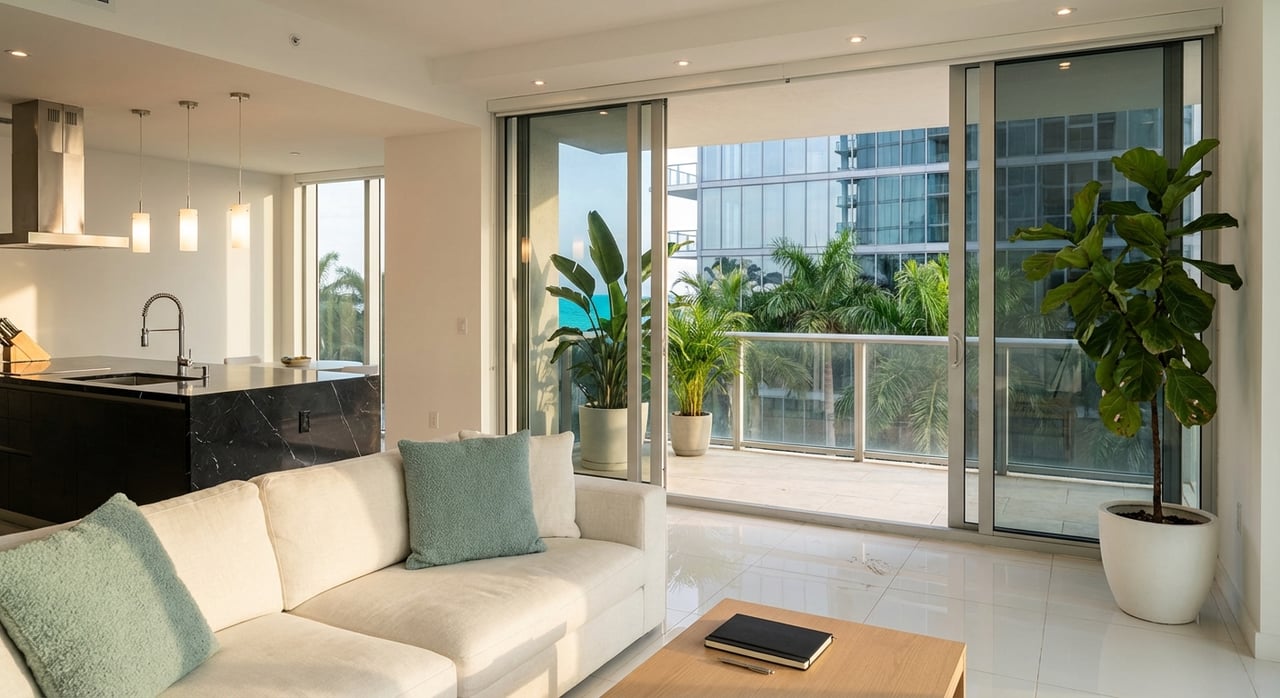
Picture morning coffee on a balcony overlooking turquoise water while your asset quietly works for you. That is the promise of Sunny Isles Beach. If you are weighing a condo here as an investment or second home, you are not alone. In this guide, you will learn how the market is positioned today, what product tiers deliver the best risk‑adjusted value, how rental rules really work, and the building‑level costs and documents that make or break ROI. Let’s dive in.
Sunny Isles market at a glance
Sunny Isles Beach is a concentrated oceanfront condo market with clear product tiers, from older high‑rises to branded, ultra‑luxury towers. It is often a lower price‑per‑square‑foot entry into “Miami Beach” luxury compared with top trophy enclaves, yet it offers some of the region’s highest concentrations of amenity‑rich, branded residences. You can see this in the mix of Porsche, Armani, Bentley, and the St. Regis pipeline that shape the skyline and buyer expectations (branded residences overview).
Recent luxury‑segment reporting shows rising months of inventory and longer days on market compared with Miami’s tightest neighborhoods. Prices per square foot sit below the top trophy areas and above many inland submarkets, which matters for both entry pricing and exit liquidity (luxury market report).
Strengths that support demand
- Beachfront location and services attract global second‑home and investment buyers.
- Branded and new‑construction product draws capital that values amenities and design.
- International interest is robust, with recent data showing strong overseas search activity for Miami real estate, including interest from China, Latin America, and Europe (international buyer trends).
Risks that can slow resale
- Elevated luxury inventory in some quarters can extend marketing times.
- Older buildings with deferred maintenance, insurance friction, or insufficient reserves face more buyer scrutiny.
- Two similar‑priced units can sell very differently based on building health documents and project eligibility (market dynamics).
Pick the right building tier
Your building choice may matter more than your floor plan. Amenities, reserves, project eligibility, and brand all feed ROI.
Entry and older condos
Pre‑2005 buildings can offer a lower price per square foot and interesting cash‑on‑cash potential at the right basis. The tradeoff is higher probability of special assessments, stricter insurance requirements, and more intense lender reviews. If you buy here, your diligence on structural reports, reserves, and insurance must be exacting.
Modern and luxury towers
Buildings from roughly 2010 to 2020 tend to have stronger systems, larger amenity decks, and layouts that international buyers prize, which can support demand and lender acceptability. Branded residences and new‑construction often command premiums, but they can justify them with amenity depth, property management reputations, and lifestyle value (amenities and value drivers).
Ultra‑luxury and branded pipeline
Projects like Bentley Residences and the St. Regis pipeline serve trophy buyers who are often all‑cash and long‑term. Supply coming online is great for long‑run positioning, yet it may create short‑term resale competition within comparable tiers. If you plan to resell in the first few years after delivery, price accordingly and prioritize unique lines, views, and finish packages (Bentley Residences overview).
Short‑term rentals and leasing
Rental flexibility is not uniform here. Your revenue plan must align with city rules and condo documents.
City licensing and condo rules
Sunny Isles Beach requires a Short‑Term Vacation Rental License for rentals of six months or less. You need one license per unit, annual renewals, proper tax registrations, liability insurance, and a written consent letter from the condo association. Occupancy and advertising rules are enforced, and fines escalate for violations. Crucially, a city license does not override your building’s bylaws, and many associations prohibit or limit short‑term rentals. Confirm both city requirements and association rules before you underwrite any STR income (city STR requirements).
Model income conservatively
Sunny Isles can command premium nightly rates due to beachfront location and global demand, yet ADR and occupancy vary by building, season, and platform. Use paid STR data or a local manager’s P&L to set realistic expectations, and stress test occupancy in the 45 to 55 percent range. Include all operating expenses, especially STR management fees, utilities, insurance, and furnishings (conservative underwriting guidance).
If you prefer long‑term leasing, compare net outcomes to STR by modeling the same expense lines. Some buildings cap the number of leases per year or set minimum lease terms. Read the condo rules carefully before you buy.
Costs that impact net returns
Operating costs can turn a great gross yield into a mediocre net. Budget with precision.
Insurance and master policies
Florida high‑rise insurance has been volatile. Associations have faced sharp premium increases and occasional carrier exits. Recent reforms and Citizens’ 2026 recommendations signal improving capacity, yet insurance remains a major cost driver for beachfront towers. Ask for the association’s insurance summary, recent renewals, and deductibles, and verify replacement‑cost coverage before you commit (Citizens updates and reform context).
Reserves, milestones, and assessments
Post‑Surfside reforms require milestone structural inspections for buildings three stories and higher, plus Structural Integrity Reserve Studies and mandatory funding for structural items. Local enforcement timelines are aggressive, especially for older oceanfront buildings, which raises the odds of higher dues and special assessments. Always obtain the SIRS, milestone inspection reports, and current reserve schedules before writing an offer (Florida condo safety law summary).
HOA fees and budgets
HOA fees in Sunny Isles vary widely. Amenity‑heavy towers and insurance costs push monthly dues to the top end of Miami’s range. To avoid surprises, review the last two years of budgets, current financials, reserve balances, and board minutes for any planned capital projects or litigation. Fees that look high can still pencil if the building is well‑run and demand is strong, but you need clarity per building (fee variability context).
Financing and resale liquidity
How your building qualifies with lenders affects both what you can borrow today and who can buy from you later.
Warrantable vs. non‑warrantable
Fannie Mae, Freddie Mac, and FHA apply condo project eligibility reviews. Projects with insurance issues, underfunded reserves, material litigation, or safety concerns can become non‑warrantable. That shrinks the pool of qualified buyers and often forces higher‑cost portfolio loans, which can weigh on resale prices. Verify project status early in your process (GSE condo project eligibility).
Lender checks to run
- Ask your lender to pre‑screen the building for eligibility and any “unavailable” flags.
- Request the latest condo questionnaire, insurance certificate, SIRS, and milestone reports.
- Align your offer price and financing with the building’s true liquidity profile.
Climate and flood risk
You are buying oceanfront. Regional planning expects measurable sea‑level rise over the coming decades, and Sunny Isles buildings face marine exposure, storm surge, and occasional king‑tide flooding. The best‑positioned towers document hardened entries, elevated mechanicals, pumps, and other mitigation. Your insurer and lender will price this risk, so treat it as a core underwriting input, not a footnote.
Sunny Isles due‑diligence checklist
Bring an investor’s toolkit to a lifestyle‑driven market. Before you offer, request and verify:
- Milestone structural inspection reports and any Phase‑2 scopes with engineer sign‑offs, plus a remediation plan if applicable.
- Structural Integrity Reserve Study, current reserve balance, and the association’s funding schedule.
- The last two years of association budgets, current financials, and the last 12 months of meeting minutes to uncover planned capital projects or litigation.
- Master insurance summary with limits, deductibles, wind and flood components, and recent renewal history; confirm replacement‑cost coverage and carrier capacity (Citizens press resources).
- HOA rental policy, including caps, minimum terms, and platform rules, along with the city’s Short‑Term Vacation Rental License path and required condo consent (Sunny Isles STR rules).
- Evidence of condo project eligibility for Fannie Mae, Freddie Mac, or FHA, or a lender pre‑check if the building is portfolio‑only (condo eligibility reference).
Red flags that should pause an acquisition or force a price adjustment:
- Missing milestone inspection or SIRS in an applicable‑age building.
- Underfunded reserves or open life‑safety items without a funded plan.
- Master policy that is non‑renewable, underinsured, or unaffordable.
- Condo rules that prohibit the rental strategy you need.
So, is a Sunny Isles condo a smart move?
Yes, for the right unit in the right building with the right underwriting. Newer or demonstrably well‑maintained towers, transparent reserves, lender‑friendly profiles, and documented insurance strength can support long‑term value. Older oceanfront product can be compelling at the right basis, but you must price for assessments, stricter insurance, and inspection risk. If rental income is central to your thesis, confirm city licensing and condo permissions first, then model both STR and long‑term scenarios with conservative occupancy and full operating costs.
If you want a design‑savvy, data‑driven partner to help you source, underwrite, and negotiate the best options, connect with Jorge Hidalgo for a confidential consultation tailored to your goals.
FAQs
Are short‑term rentals allowed in Sunny Isles condos?
- The city requires a Short‑Term Vacation Rental License and many associations restrict or prohibit STRs, so you must confirm both city rules and your building’s bylaws before buying.
How do Florida’s condo safety laws affect buyers?
- Post‑Surfside rules require milestone structural inspections, a Structural Integrity Reserve Study, and mandatory reserve funding, which can raise HOA dues and increase assessment risk in older towers.
What makes a building non‑warrantable and why does it matter?
- Insurance gaps, low reserves, material litigation, or safety issues can make a project non‑warrantable, which limits affordable financing options and can reduce your future buyer pool.
What are the biggest hidden costs for Sunny Isles condos?
- Insurance, HOA dues, reserves and assessments, STR management and utilities for rentals, and closing costs are the main line items that can turn strong gross returns into weaker net yields.
Which building tier is best for ROI in Sunny Isles?
- Newer or well‑maintained luxury towers with strong amenities, funded reserves, and lender eligibility often balance lifestyle appeal with liquidity, while older stock can work if you price for risk and verify building health.
