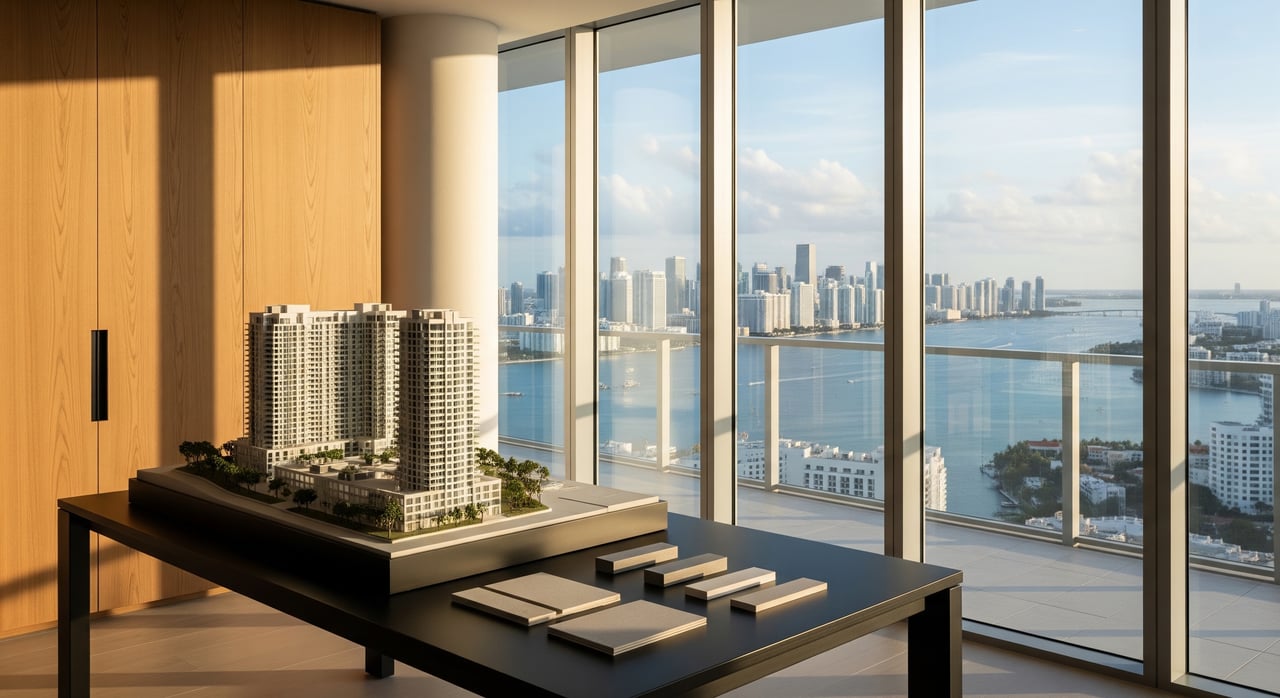
Buying pre-construction in Downtown Miami can be a smart way to lock in a design-forward home or an investment with upside. It can also feel complex, since you are committing before the building is finished. With the right framework, you can compare projects, protect your deposit, and choose a tower that fits your goals. This guide gives you a clear, practical checklist to evaluate value, risk, and long-term potential. Let’s dive in.
Understand the Downtown Miami context
Downtown Miami has seen several development cycles, with a strong wave of new projects in the 2010s and early 2020s, followed by slower activity in 2022 and 2023 as rates rose. You should compare price per square foot between current pre-construction offerings and recent resales in the same micro-neighborhood and building class. That apples-to-apples view helps you understand whether the premium for new construction is justified by finishes, amenities, and location.
Pay attention to the supply pipeline and permitting. A heavy pipeline can pressure pricing if absorption slows, while limited future supply can support appreciation. Verify the project’s zoning and entitlements with the City of Miami to confirm that uses, density, and height match what the developer is marketing.
Review the financial and contract terms
Deposits and escrow
Deposit schedules vary by project and can range widely across milestones. Confirm the total deposit percentage, when each installment is due, and where funds are held. Ask whether deposits are in independent escrow and if they earn interest, and clarify refund rules if the project is delayed or the developer defaults.
Purchase agreement protections
Read the closing conditions closely. Some contracts close at Certificate of Occupancy, others on a date certain. Clarify remedies for late delivery. Identify any price escalators or pass-through assessments and who pays for construction changes, infrastructure costs, or common-area improvements. Confirm what the base specifications include and how upgrades are priced.
Assignment and exit plan
If you want flexibility, ask about assignment rights. Some developers allow you to assign the contract before closing, sometimes with limits or a fee. If assignments are allowed, understand the process and timing so you can plan an exit if needed.
Financing and appraisal reality
Many pre-construction contracts are not contingent on financing. If you need a loan, seek explicit contingency language or be sure you can perform if financing changes. Appraisals for new buildings rely on limited comps, so loan proceeds can be conservative. Lenders also look at condo project factors like investor ratios and the developer’s control period, which can affect eligibility and down payment requirements.
Model your carrying costs
HOA fees and reserves
Monthly condo fees drive your operating cost and can shape resale desirability. Review the draft operating budget, how reserves are funded, and the developer control period. Large amenity packages often raise dues, so weigh lifestyle benefits against cost.
Taxes and closing costs
Budget for title insurance, recording, and transfer taxes. Understand how new construction is assessed for property taxes and the timing of your first bill. If you plan to live in the unit as your primary residence, the homestead exemption may reduce taxable value when you qualify.
Insurance and flood exposure
Flood zones affect mortgage requirements and the cost of flood insurance. In a coastal market, carriers evaluate building resilience and claims history, which can influence premiums. Your long-term view of insurability should be part of your investment case.
Vet the developer and project team
Track record and financial strength
Study the developer’s completed buildings for quality, delivery timelines, and warranty performance. Review public records for corporate status and any reported liens or litigation. A developer with a strong balance sheet and proven local delivery reduces risk of delays and protects your deposit with better structures.
Contractor, architect, and management
Experienced general contractors and architects who know Miami’s building codes can improve execution and storm resilience. Ask who will manage the property post-completion and look at their portfolio. Strong management helps control operating costs and supports resale value.
Assess building design and resilience
Storm-readiness features
Look for impact-rated glazing, elevated or protected mechanical rooms, and floodproofing in ground-level spaces. Ask about generator capacity for essential systems and plans for elevator service during outages. These features affect both safety and insurability.
Mechanical systems and efficiency
Understand HVAC type, metering, and energy performance. Individually metered in-unit systems can align costs to usage, which is helpful for investors and renters. Central systems with shared allocation may feel simpler but can mask true consumption and cost.
Amenities and operating impact
Amenities should match your lifestyle and budget. Pools, spas, and staffed services add value but also increase dues. Ask whether any amenities create offsetting revenue, such as rentable guest suites or food and beverage concepts, or if they are pure cost centers.
Evaluate finishes, layouts, and views
Floor plan efficiency
Study usable square footage versus circulation space. Efficient layouts that maximize light, storage, and furniture placement feel larger and resell well. Avoid awkward hallways and dead zones that inflate total square footage without adding livability.
View corridors and future obstructions
Downtown is dynamic, and new towers can rise nearby. Ask about neighboring entitlements and what could change sightlines, light, or noise over time. A clear understanding of the building envelope around your stack protects your view expectations.
Base package versus upgrades
Clarify the included finish package for cabinetry, appliances, flooring, and lighting. Upgrades can be beautiful yet costly, and not all carry dollar-for-dollar resale value. Choose enhancements that align with function and long-term appeal, not just trend.
Due diligence checklist
Use this list to request documents early and structure your review:
- Full purchase agreement and all addenda.
- Floor plans with dimensions, elevations, and building plans.
- Declaration of condominium, bylaws, and articles of incorporation or drafts.
- Public offering statement or developer disclosure, if applicable.
- Pro forma operating budget and any reserve study.
- Amenity rules and rental or use restrictions in condo documents.
- Construction schedule, permitting status, and projected Certificate of Occupancy.
- Evidence of construction financing and escrow protections for deposits.
- Developer price list history and any completed comparable sales.
Key questions to ask the sales team:
- What is the exact deposit schedule, where are funds held, and are they refundable under specified conditions?
- Are assignments allowed, and what limits or fees apply?
- What is the target CO and turnover timing, and what remedies exist for delays?
- What warranties cover finishes, systems, and common areas, and who services claims after turnover?
- How are utilities metered and billed, and who pays for any central systems?
- What percentage of units are sold today, and how might that affect lending and governance?
- Are nearby developments planned that could change light, noise, or views?
- How are condo assessments calculated, and how will reserves be funded?
- What are the short-term rental and leasing rules, including minimum lease terms?
Trusted advisors to involve:
- A Florida real-estate attorney to review the contract, disclosures, and any special developer rights.
- A title and closing agent to confirm title status, escrow procedures, and recording.
- An independent appraiser to validate as-completed value.
- A contractor, architect, or experienced broker to review building envelope and systems.
Red flags to avoid
- Vague language about deposits, deadlines, or developer obligations.
- Deposits not held in independent escrow or unclear refund protections.
- A large unsold inventory with no defined marketing plan.
- Missing or incomplete condo documents during broad marketing.
- Unresolved litigation or material liens tied to the developer or site.
International buyers and investors
Foreign nationals can obtain U.S. mortgages but often face higher down payments and additional documentation. Plan for funds transfer timing and currency conversion so you never miss a deposit milestone. Be prepared for anti-money-laundering and know-your-customer checks that can extend verification.
Understand tax obligations on rental income and plan ahead for future sale rules, including FIRPTA withholding for non-U.S. sellers. Consider estate planning early if you will hold U.S. real estate directly. If you expect to rent, confirm City of Miami rules and the condo’s leasing policy, then evaluate market depth and supply over the next three to five years for your exit strategy.
Your next steps
Pre-construction success comes from clarity. Compare true cost per square foot, confirm contract protections, and stress test fees, insurance, and taxes against your budget and timeframe. Choose a developer with proven local delivery, a building with resilient design, and a layout that lives well and holds value.
If you want a second set of eyes on deposits, assignment rights, or floor plans, connect with a local advisor who lives in this market every day. For curated access to Downtown Miami’s best towers, plus negotiation-focused guidance from contract to closing, reach out to Jorge Hidalgo. Schedule a Confidential Consultation.
FAQs
What makes Downtown Miami pre-construction different from Miami Beach or other nearby cities?
- Each municipality sets its own rules for use and short-term rentals, so verify the City of Miami’s policies for the project address rather than assuming rules from nearby areas.
How much should I expect to deposit for a Downtown Miami pre-construction condo?
- Deposit structures vary, and many projects use staged payments that can total a significant percentage before closing; confirm exact milestones, escrow details, and refund terms in writing.
How do short-term rental rules affect an investment condo in the City of Miami?
- Local code and condo documents can limit or prohibit short stays, set registration requirements, and define minimum lease terms, which directly impact rental strategy and yield.
What insurance will I need for a Downtown Miami high-rise condo?
- Lenders may require flood insurance based on the property’s flood zone, and you should plan for condo master policy costs and your own contents and liability coverage.
How do appraisals work for new construction condos in Miami?
- Appraisers rely on comparable new sales and developer pricing; if comps are limited, values can be conservative, which may affect loan proceeds for financing.
What are the biggest red flags in a pre-construction purchase agreement?
- Vague deposit protections, open-ended delivery timelines, broad pass-through cost clauses, and unclear assignment rules are common warning signs that merit attorney review.
