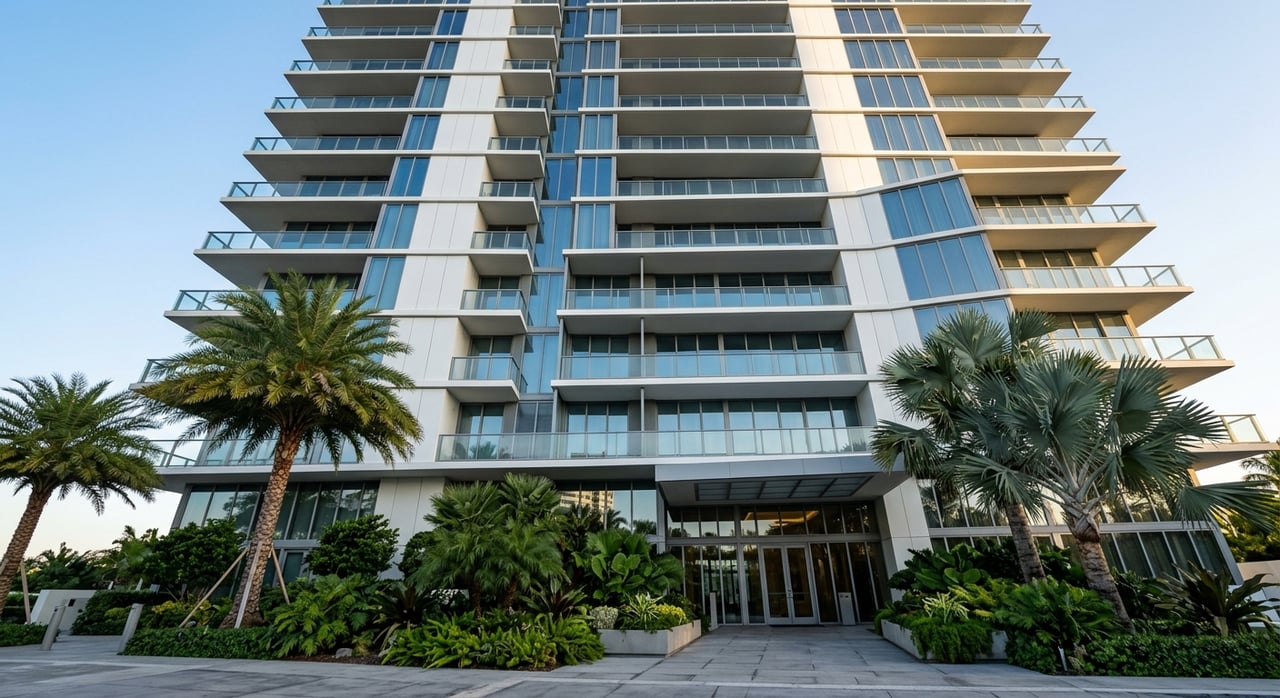
Selling a Brickell condo can feel simple from the outside: list it, find a buyer, and close. In reality, the process has a few more moving parts, especially in a market shaped by international demand, condo association requirements, and timing-sensitive disclosures. If you are preparing to sell, knowing what happens before listing, during negotiations, and on closing day can help you avoid delays and make smarter decisions. Let’s dive in.
Why Brickell condo sales are different
Brickell is not just any condo market. It attracts a large international buyer pool, which can shape how your property is marketed, how offers come in, and how the transaction is coordinated.
According to the MIAMI REALTORS® June 2025 new-construction report, Brickell accounted for 1,226 units sold, including 733 international sales. That means 60% of buyers were global, and 79% of those international buyers were from Latin America. For you as a seller, that often means bilingual communication, remote document signing, and careful wire and scheduling coordination matter more than in many other markets.
At the same time, current condo conditions reward realism. The closest public benchmark, Miami city condo and townhouse market data for Q4 2025, showed a median time to contract of 97 days, 16.7 months of supply, and 92.2% of original list price received. In short, you should expect the sale process to take time, and pricing correctly from the start matters.
Start with pricing expectations
One of the biggest questions sellers ask is how fast their condo will sell. While no timeline is guaranteed, the 97-day median time to contract for Miami city condos gives you a helpful benchmark for what a slower, more price-sensitive market can look like.
That does not mean demand has disappeared. In fact, Miami-Dade condo prices have posted 14 consecutive years of appreciation, and prices were up 103.3% from May 2015 to May 2025. The long-term story remains strong, but today’s buyers are still paying close attention to price, condition, and building-level details.
If your goal is to attract serious attention early, your asking price should reflect both current competition and the realities of negotiation. With Miami city condos receiving 92.2% of original list price in Q4 2025, some back-and-forth is normal.
Prepare your condo before listing
A smooth sale often starts well before your condo goes live. In Brickell, preparation is not only about presentation. It is also about documentation.
Before listing, gather the resale condo documents Florida law requires a buyer to receive. Under Florida Statute 718.503, that can include:
- Declaration
- Articles of incorporation
- Bylaws and rules
- Annual financial statement
- Annual budget
- FAQ sheet
- Milestone inspection summary, if applicable
- Most recent structural integrity reserve study, if applicable, or a statement that none has been completed
- Turnover inspection report, if applicable
These are not minor details. Florida law also requires specific contract language tied to these disclosures, and missing documents can affect a buyer’s right to move forward.
You should also confirm whether a flood disclosure is required at or before contract execution. In Miami, this is one of the first items worth reviewing in your seller file.
Check association rules early
Many condo deals become more complicated at the association level, not because anything is wrong with the unit, but because building rules and fees were not clarified early.
A key document here is the estoppel certificate. Under Florida Statute 718.116, the estoppel can show whether your building requires board approval, whether it has a right of first refusal, and what amounts may be due for assessments, transfer fees, or other charges. This is often where hidden friction shows up.
If your condo has a pending special assessment, transfer requirement, or approval process, it is better to know that before you accept an offer. Clear expectations can help protect your timeline and reduce the chance of surprises during escrow.
What happens after you list
Once your condo is on the market, buyer activity may come from several directions. In Brickell, that can include local owner-occupants, second-home buyers, investors, and international purchasers.
This matters because the path to closing may look different depending on who makes the offer. Some buyers need financing and lender review. Others may be cash buyers, which can simplify lending-related steps but still requires strong coordination on documents, timing, and funds.
According to MIAMI REALTORS® January 2025 reporting, cash buyers accounted for 73% of Miami-Dade condo sales above $1 million and 62% of condo sales between $600,000 and $999,000. In a market like Brickell, where international participation is high, that means remote closings, wire timing, and document turnaround can all play a bigger role.
Under contract: what to expect next
After you accept an offer, the transaction shifts from marketing to execution. This is where timelines, disclosures, and association paperwork become especially important.
One major step is ordering the estoppel certificate. Florida law gives the association 10 business days to provide it after request, and the estoppel remains effective for 30 days if delivered by hand or electronically, or 35 days if mailed, according to Florida Statute 718.116. If this request goes in late, it can affect your closing schedule.
The buyer will also review the condo documents required by law. Under Florida Statute 718.503, buyers have statutory cancellation rights tied to receipt of these materials. If documents are missing or delivered late, the transaction can be delayed or even unwound.
Milestone inspections and reserve studies
For some Brickell buildings, another important layer involves milestone inspections and reserve studies. These items can become a major focus during buyer due diligence.
Under Florida’s milestone inspection law, condo buildings that are three habitable stories or more are generally subject to milestone inspection requirements based on age, with repeat inspections every 10 years thereafter. Owners must receive a summary of the report within 45 days after the association receives it.
If your building is subject to these rules, buyers may want the milestone inspection summary and the most recent structural integrity reserve study before they fully commit. Florida law also allows the buyer to extend closing by up to 7 days after receiving certain milestone or reserve-study documents, if requested in writing under Section 718.503.
Common closing delays to watch for
Most Brickell condo sales do close, but the path is not always perfectly smooth. The most common delays usually come from a short list of issues.
Watch for these potential hold-ups:
- Missing resale condo documents
- Slow estoppel delivery from the association
- Board approval or right of first refusal issues
- Milestone inspection or reserve-study review
- Buyer financing or lender condo review
- Last-minute questions about assessments or transfer fees
The best way to reduce these risks is to prepare early and manage the process closely from contract to closing.
What you will likely pay at closing
On the seller side, one of the main statutory closing costs to anticipate in Miami-Dade is documentary stamp tax on the deed. The Florida Department of Revenue states that Miami-Dade charges 60 cents per $100 of consideration, plus a 45-cent surtax. The surtax exception is limited to documents transferring only a single-family dwelling, so condo sellers should plan accordingly.
Beyond that, your final numbers can also be affected by association-related fees and whatever costs are part of the title or closing process. Reviewing these items early can help you estimate net proceeds more accurately.
A practical Brickell selling timeline
If you want a simple way to think about the process, break it into three phases: pre-listing, market time, and closing coordination.
Pre-listing is where you prepare documents, review association requirements, and position the condo for the market. Market time is where pricing, exposure, and negotiation shape how quickly you attract a serious buyer. Closing coordination is where disclosures, estoppel timing, buyer review, and final settlement all come together.
In Brickell, the strongest sales are often the ones that are priced realistically, documented early, and managed with enough lead time for association and buyer review periods. That kind of preparation is especially important in a market influenced by both local and international demand.
If you are thinking about selling and want a strategy that reflects Brickell’s pace, buyer mix, and building-level details, connect with Jorge Hidalgo for a confidential consultation.
FAQs
How long does it usually take to sell a Brickell condo?
- The closest public benchmark is Miami city condo and townhouse data showing a median 97 days to contract in Q4 2025, though your actual timeline can be shorter or longer.
What documents do you need to sell a Brickell condo in Florida?
- Florida resale condo transactions can require documents such as the declaration, bylaws, rules, annual financial statement, annual budget, FAQ sheet, and, if applicable, milestone inspection and reserve-study documents.
What can delay a Brickell condo closing?
- Common delays include missing condo documents, slow estoppel delivery, association approval issues, milestone inspection or reserve-study review, and buyer financing.
Do Brickell condo sellers usually negotiate on price?
- Yes. Miami city condo data for Q4 2025 showed sellers received 92.2% of original list price on average, so some negotiation is normal.
What closing tax should a Brickell condo seller expect in Miami-Dade?
- Miami-Dade documentary stamp tax on the deed is a major seller-side closing cost, charged at 60 cents per $100 of consideration plus a 45-cent surtax, according to the Florida Department of Revenue.
