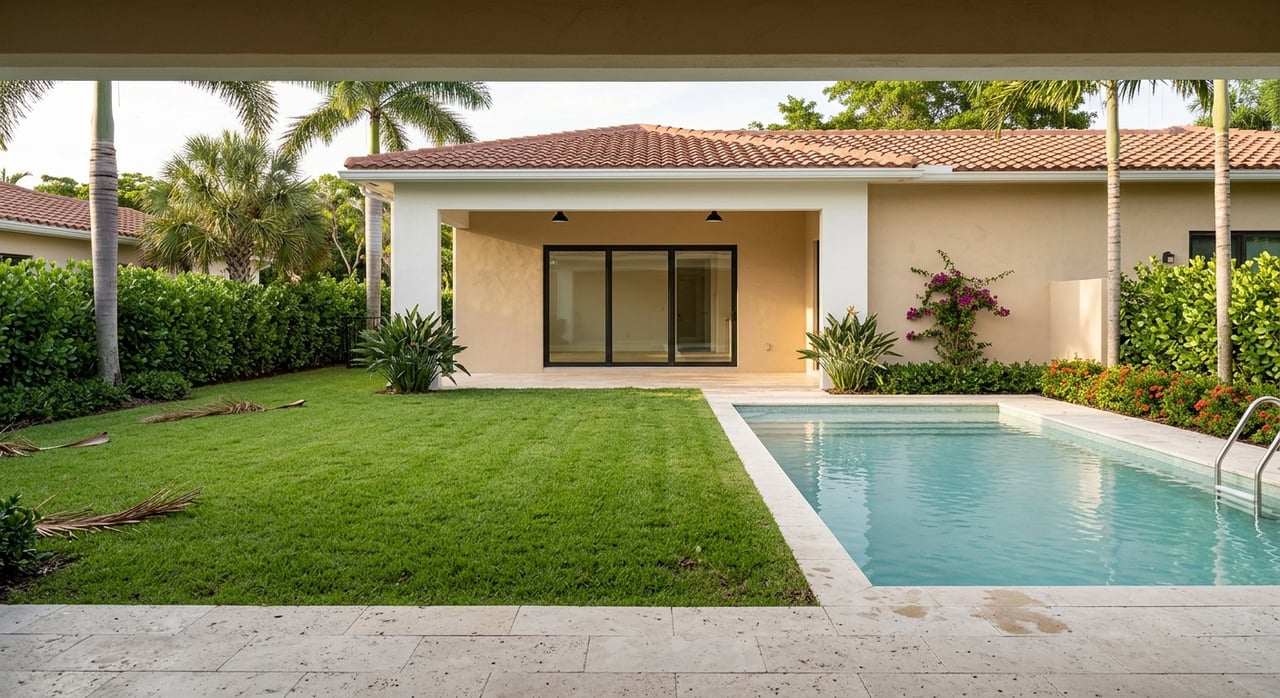
Are you starting to feel like your Brickell condo no longer fits the way you live? If you want more privacy, more outdoor space, and a home that supports a different daily rhythm, Pinecrest often enters the conversation for a reason. This guide walks you through what really changes when you move from a vertical, amenity-driven lifestyle to a single-family home in Pinecrest, so you can plan with clarity and confidence. Let’s dive in.
Why Pinecrest appeals to Brickell homeowners
Pinecrest offers a very different housing experience from Brickell. The village describes itself as a well-planned residential community with lush parks, strong zoning protections, and a high quality of life. Its comprehensive planning also protects single-family neighborhoods from non-residential encroachment, which helps preserve the quieter, more private feel many buyers are looking for.
That contrast matters if you are used to Brickell’s energy, towers, and walkability. In Pinecrest, the appeal is less about living in the middle of everything and more about having room to spread out. For many households, that shift is not a downgrade or upgrade, but a lifestyle reset.
Village officials also reported in 2025 that crime was 65 percent lower than at incorporation and that police response times averaged just over two minutes. For buyers comparing daily comfort, privacy, and peace of mind, those local operating details help explain Pinecrest’s strong reputation.
Expect a major price jump
One of the biggest realities in this move is budget. Realtor.com’s May 2026 market snapshot placed Brickell’s median listing price at $725,000 and Pinecrest’s at $3.95 million. Both markets were labeled buyer’s markets, but they sit in very different price categories.
If you are selling a Brickell condo and buying in Pinecrest, you should expect a materially higher purchase budget in most cases. The exact numbers can vary by property type, lot size, condition, and data source, but the gap is consistently large. In practical terms, this is usually a move that requires early financial planning, not just casual browsing.
What daily life looks like in Pinecrest
A move to Pinecrest usually means your home starts extending beyond the walls of the house itself. Outdoor space plays a much bigger role in how you live, entertain, and spend weekends. That can be a welcome change if you are ready to trade elevator rides and shared amenities for a yard, a patio, and more breathing room.
Pinecrest says its parks and recreation department operates eight parks. That inventory includes Coral Pine Park, Suniland Park, Red Road Linear Park, Pawcrest Park, and the Village Green and Pinecrest Community Center. Pinecrest Gardens also serves as a major community space, with 14 acres of botanical gardens and event use.
For many buyers, this creates a different kind of value. Instead of relying on a condo building’s amenities for recreation, you begin to engage more with village spaces and your own property. The lifestyle becomes more grounded, more spread out, and often more home-centered.
Schools are part of the conversation
For households planning ahead, schools are often one part of the Pinecrest decision. The village’s school brochure lists Pinecrest Elementary, Palmetto Elementary, Palmetto Middle, and Miami Palmetto Senior High as part of the local public-school landscape. The same village material states that strong property values are supported by the Miami-Dade County Public Schools located in the village.
If schools are one of your priorities, Pinecrest is a place where that factor often comes up early in the home search. It is still important to verify school assignment and enrollment details directly before you buy. But from a market perspective, the school context is clearly part of how many buyers evaluate Pinecrest.
Condo convenience vs home responsibility
One of the biggest adjustments is maintenance. In Brickell, many exterior responsibilities are handled by the association or building staff. In Pinecrest, the visual condition of the property becomes much more directly tied to your own schedule, budget, and planning.
Pinecrest’s code-compliance materials highlight yard upkeep, tree trimming, landscape registration, and bin storage. These are ordinary parts of detached-home ownership, but they can feel new if you are coming from a high-rise. You are not just buying square footage. You are taking on a broader set of responsibilities tied to curb appeal and ongoing care.
That does not mean the move is harder. It simply means the ownership model is different. If you love the idea of a more curated home environment, this can be a positive shift, especially if you appreciate landscaping, outdoor design, and a stronger connection to the property itself.
Building rules change too
The regulatory side of ownership also changes when you leave a condo building. Pinecrest notes that single-family residences, duplexes, and minor structures are exempt from the county’s recertification cycle. By contrast, condo and co-op buildings three stories or taller within three miles of the coastline are recertified at 25 years and then every 10 years after that.
Pinecrest also notes that Florida’s 2022 law created milestone inspection requirements for condominium and cooperative association buildings that are three stories and taller. If you have owned or considered older condo product, you already know these issues can affect costs, timing, and association decisions. Moving to a Pinecrest house shifts you into a different ownership framework with a different set of oversight concerns.
Commuting from Pinecrest takes more planning
If Brickell made your daily movement feel immediate, Pinecrest will likely feel more intentional. Miami-Dade says the South Dade TransitWay runs through Pinecrest and ends at Dadeland South Metrorail Station. The South Dade Trail also runs through Pinecrest and is planned to connect to The Underline, which runs from the Miami River in the Brickell area to Dadeland South.
Miami-Dade also says Metro Express now serves the South Dade TransitWay, making Dadeland South a key rail and bus transfer point for commuters. The Metrorail Green Line runs from Palmetto to Dadeland South and operates from 5 a.m. to midnight, seven days a week. Riders can use the GO Miami-Dade app, contactless payment, EASY Card, or EASY Ticket, and bus-to-rail transfers are free.
These options matter, but they do not recreate Brickell’s tower-adjacent lifestyle. In most cases, Pinecrest buyers still want a car for day-to-day flexibility. Transit and bike connections exist, but your route planning tends to be more corridor-based and less spontaneous.
Budget beyond the purchase price
When you move from condo ownership to a single-family home, your monthly budget often becomes more layered. According to the CFPB, closing costs typically run 2 percent to 5 percent of the purchase price, excluding the down payment. The total monthly housing payment can include principal, interest, property taxes, mortgage insurance, homeowner’s insurance, supplemental insurance such as flood insurance, and homeowners association fees if applicable.
That list matters more in Pinecrest because more of the ownership cost sits directly with you. In a condo, some expenses may be bundled into association dues. In a house, you will usually evaluate more line items individually, which makes advance budgeting especially important.
Flood status is another item you do not want to leave until late in the process. The CFPB says flood insurance is generally required if a home is in a FEMA Special Flood Hazard Area, and that coverage is separate from standard homeowners insurance. Before you finalize a Pinecrest purchase, checking the parcel’s flood status is a smart step.
Tax planning should start early
Property taxes and exemptions can make a real difference in your long-term numbers. The Miami-Dade Property Appraiser says homeowners can apply online for Homestead Exemption, Portability, Senior Exemption, and other tax benefits. The office also states that Save Our Homes caps annual property value increases at 3 percent for homesteaded properties, while portability lets owners transfer the difference between assessed and market values from a previous homesteaded property to a new one.
If you are selling one homesteaded property and buying another, timing becomes very important. Miami-Dade’s exemption application guidelines say required documents must be submitted by March 1 of the applicable tax year. That means your tax strategy should begin before closing, not after you have already moved.
For many Brickell-to-Pinecrest buyers, this is one of the most overlooked parts of the transition. A well-planned move is not only about finding the right house. It is also about structuring the move so your exemptions and portability are handled on time.
Timing your sale and purchase
When you are coordinating a condo sale and a house purchase, timelines can get tight quickly. The CFPB says borrowers should receive the Closing Disclosure at least three business days before closing. That review period needs to be part of your moving timeline, especially if your sale and purchase are happening close together.
This is where strong coordination matters. You may be balancing condo showings, contract deadlines, lender requirements, insurance quotes, tax planning, and move-in logistics at the same time. The smoother the plan, the easier it is to make the transition without unnecessary stress.
How to know if Pinecrest is the right next step
Pinecrest is often a natural next chapter for Brickell households that want more privacy, more land, and a more residential pace. You gain access to a different kind of lifestyle, one centered on single-family living, outdoor space, village parks, and a quieter daily setting. At the same time, you give up some of the convenience that makes Brickell so easy.
The key is understanding that this move is not just geographic. It is a shift in housing model, budgeting, maintenance, and mobility. If you approach it with clear expectations, Pinecrest can be a thoughtful and rewarding next move.
If you are weighing whether a Brickell condo sale should lead to a Pinecrest home, working with an advisor who understands both markets can make the process far more strategic. For tailored guidance on timing, pricing, and the transition from urban condo living to a design-conscious family home, schedule a confidential consultation with Jorge Hidalgo.
FAQs
What makes Pinecrest different from Brickell for homebuyers?
- Pinecrest offers a more private, single-family residential setting with parks, outdoor space, and a quieter rhythm, while Brickell is known for density, walkability, and condo convenience.
How much more expensive is Pinecrest than Brickell?
- Realtor.com’s May 2026 data listed Brickell’s median listing price at $725,000 and Pinecrest’s at $3.95 million, showing a substantial budget jump for many buyers.
What maintenance changes when you move from a Brickell condo to a Pinecrest house?
- In Pinecrest, you typically take direct responsibility for exterior upkeep such as yard maintenance, tree trimming, landscape compliance, and bin storage instead of relying on a condo association for many of those tasks.
What transit options connect Pinecrest to Brickell and the rest of Miami-Dade?
- Pinecrest is served by the South Dade TransitWay, Metro Express, the South Dade Trail, and connections through Dadeland South Metrorail Station, but many households still rely on a car for daily flexibility.
What tax benefits should Miami-Dade buyers review before buying a Pinecrest home?
- Buyers should review Homestead Exemption, Portability, Senior Exemption, and Save Our Homes rules through the Miami-Dade Property Appraiser, and they should note the March 1 document deadline for the applicable tax year.
What closing costs should buyers expect when purchasing a Pinecrest home?
- The CFPB says closing costs typically range from 2 percent to 5 percent of the purchase price, excluding the down payment, and monthly ownership costs may also include taxes, insurance, and flood insurance if required.
