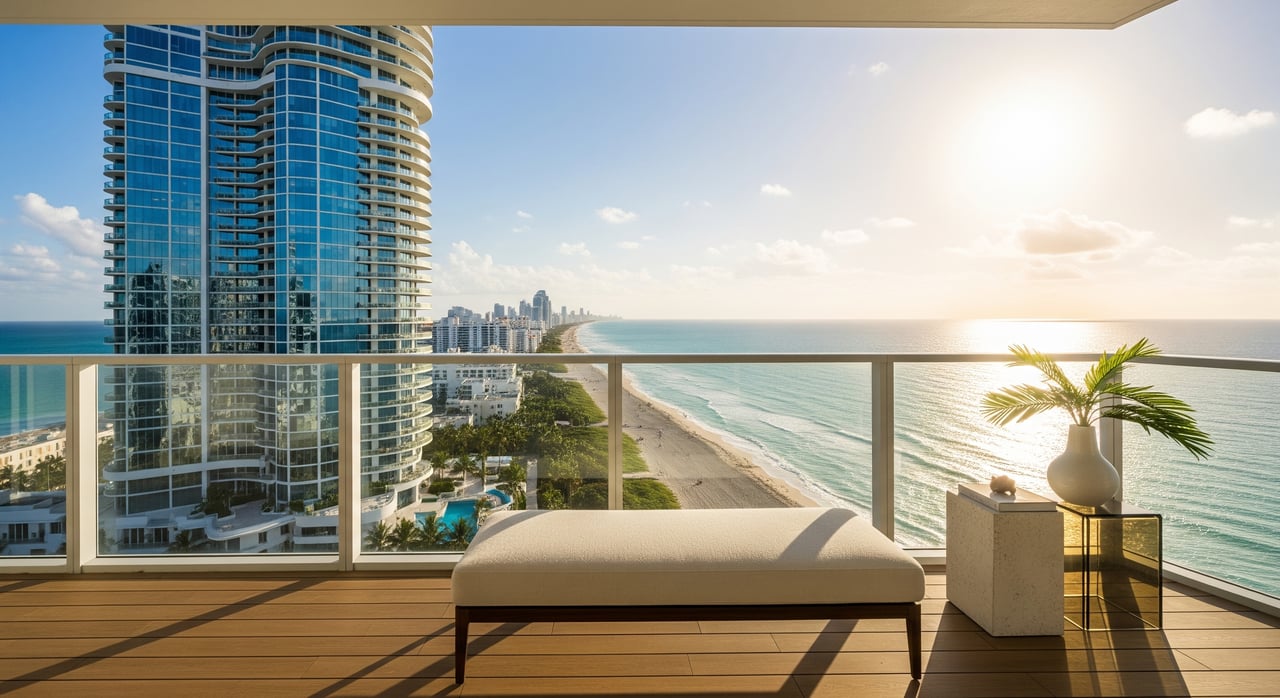
What does your ideal Sunny Isles Beach place look like on a perfect winter morning? If you picture hotel-style service and strong seasonal rental demand, a condo-hotel might catch your eye. If you prefer more control over your space, simpler financing, and a larger resale market, a traditional condo could be a better fit. In this guide, you will learn the practical differences between condo-hotels and condos in Sunny Isles Beach so you can choose the model that fits your lifestyle and investment plan. Let’s dive in.
Sunny Isles Beach context
Sunny Isles Beach is a small, high-rise coastal city on a barrier island in Miami-Dade County. The market is luxury-focused and draws tourism, with peak demand in the fall and winter. This seasonal demand supports condo-hotel rental programs, while traditional condos appeal to second-home owners who value stability and personal use.
Because the city sits on the coast, storm surge, flooding, and hurricane winds are important considerations. Flood zones and insurance requirements can affect your carrying costs and your lender’s requirements.
What is a traditional condo?
In a traditional condominium, you own your residential unit and an undivided share of the common elements. The use is residential under the condominium documents and the Florida Condominium Act (Chapter 718). An owners’ association governs the building, and you participate by voting for the board and following the bylaws and rules.
Most traditional condos allow rentals, but with minimum lease terms that vary by building. Thirty-day minimums are common in Florida, though every building is different. Because these projects are primarily residential, many will qualify for conventional financing if they meet lender and agency guidelines, which can support a larger buyer pool and smoother resales.
What is a condo-hotel?
A condo-hotel is a condominium operated as a hotel. You own your unit, and when you are not using it, you can often place it into a rental program that rents to nightly or weekly guests. The building typically offers hotel services like a front desk, housekeeping, and on-site reservations.
Owner use is usually more limited. Management agreements often cap the number of days you can use your unit or impose blackout dates during peak season. Revenue is shared with the operator through a rental pool or management agreement, which includes management fees and operating costs before you receive your share of income.
How you use the property
If personal use is your priority, traditional condos usually offer more flexibility. You can live in your unit full-time or use it as a second home, and any rental restrictions are typically aimed at longer stays. This can help preserve a residential feel and may support stable long-term value.
If you want to maximize short-term rental nights, a condo-hotel is designed for that purpose. You can tap peak tourism months, but your own use may be restricted. Be sure to confirm the exact number of owner-use days and any blackout periods in the rental program documents.
Rental income and fees
Condo-hotels can deliver higher gross revenue during busy seasons because they allow nightly rentals and have hotel-style marketing. That said, the fee structure is more complex and costs are higher. Management fees, marketing charges, housekeeping, linen, reservation costs, and amenity assessments are commonly deducted before net income is paid to owners.
Traditional condos typically have lower operating complexity. If short-term rentals are restricted, your revenue model may rely on longer-term leases. This can reduce turnover costs, but it limits nightly rate potential. The tradeoff is simpler accounting and fewer hotel-style fees.
Rental program structures
Condo-hotel rental programs vary by building:
- Mandatory rental pool: All owners participate and share revenue and costs based on the governing documents. This creates consistent inventory for the operator.
- Optional participation: You may choose to join the program or rent your unit through other channels if allowed. This can offer more control but can also create patchwork availability.
Whichever structure you consider, request written details on revenue splits, fee schedules, reserves, owner-use limits, and termination rights. In Sunny Isles Beach, seasonality matters, so ask for historical occupancy and average daily rate data to understand peak and off-peak performance.
Financing realities
Financing is often the biggest practical difference between the two models. Many agency and government-backed mortgages have strict rules for projects with transient use or hotel operations. Lenders may label condo-hotel buildings non-warrantable, which limits financing options.
- Traditional condos: When a project meets lender and agency standards, buyers can often use conventional, and in some cases FHA or VA financing. This can expand your buyer pool and support resale liquidity.
- Condo-hotels: Expect fewer loan products, larger down payments that can range from about 20 percent to 50 percent depending on lender and borrower profile, and possibly higher interest rates. Some buyers choose portfolio, jumbo, or cash purchases. Always obtain pre-approval for the specific building early in your search.
Lender due diligence may include a review of budgets, reserves, delinquency rates, project control, and rental program contracts. If a developer or hotel operator retains strong control, some lenders will not lend in the building.
Insurance and coastal risk
Sunny Isles Beach faces coastal hazards. If your unit is in a Special Flood Hazard Area and you have a mortgage, flood insurance will be required. Premiums can vary significantly based on building elevation, flood zone, and coverage type.
Also consider hurricane and wind coverage. In a condo, the master association policy will typically insure the structure and common elements, while you carry an HO-6 policy for interior finishes and contents as required by the governing documents. In condo-hotels, confirm how the master policy treats hotel amenities and what portion of interior or contents you must insure personally. Review deductibles and loss assessment exposure, and ask about any special assessments related to past storms or resilience upgrades.
Taxes and compliance for rentals
Short-term rental income in Florida is generally subject to state sales and use tax as well as county and municipal tourist development taxes. Condo-hotel operators often collect and remit these taxes, but you should confirm in writing what they handle and what remains your responsibility.
Florida has no state personal income tax, but rental income is subject to federal income tax. Property taxes are assessed by Miami-Dade County and will reflect county millage and local assessments. If you plan to rent, confirm all licensing and registration requirements with the City of Sunny Isles Beach and Miami-Dade County, and follow current rules for transient accommodations.
Association governance and assessments
High-rise coastal buildings can face significant maintenance costs over time. Review the association’s reserve study and funding level, the current budget, and the history of special assessments. Condo-hotels may have additional costs tied to hotel services and amenities, which can increase the need for robust reserves.
Understand who controls key decisions. In some condo-hotel regimes, a hotel brand or manager has operational authority. During the developer phase, control can also be concentrated. This governance framework affects fees, service levels, and your ability to influence building decisions.
Resale and valuation
Traditional condos usually appeal to a broad pool of owner-occupants and second-home buyers. That wider demand and conventional financing access can support resale liquidity.
Condo-hotels tend to have a smaller pool of eligible buyers, in part because financing is limited and investor preferences vary. Values are often set by recent sales within the same regime since the market treats hotel units differently than standard residential condos. Be prepared for longer marketing times and price volatility.
Quick decision guide
Choose a condo-hotel if you:
- Want to maximize short-term rental nights in a tourism market.
- Prefer turnkey hotel services like front desk and housekeeping.
- Accept limited personal-use windows and blackout dates.
- Are comfortable with a smaller financing menu and higher down payments.
Choose a traditional condo if you:
- Value flexible personal use and a residential environment.
- Plan for longer rentals or occasional personal stays rather than nightly turnover.
- Want broader conventional financing options and a larger buyer pool at resale.
- Prefer simpler cost structures and association governance.
Due diligence checklist for Sunny Isles Beach
Governance and use rules:
- Read the Declaration, Bylaws, House Rules, and any rental management or franchise agreements.
- Confirm owner-use limits, blackout dates, booking rules, and guest registration policies.
- If a rental program exists, clarify whether participation is mandatory or optional, revenue splits, fee schedules, reserves, and termination rights.
Financial and association health:
- Review the current budget, audited financials, delinquency rates, litigation disclosures, reserve study, and history of special assessments.
- For condo-hotels, request historical rental pool reports showing occupancy and revenue.
Insurance and hazards:
- Confirm flood zone status and obtain flood and wind insurance estimates.
- Review the master policy, deductibles, what the association covers versus what you must cover, and any loss assessment exposure.
- Ask about storm-related assessments and planned resilience upgrades.
Taxes and compliance:
- Verify which rental taxes management collects and remits versus your filing obligations.
- Review property tax assessments and any recent changes that could affect carrying costs.
- Confirm current licensing and registration requirements with the City of Sunny Isles Beach and Miami-Dade County for transient rentals.
Financing and resale:
- Speak with lenders early to confirm project eligibility and expected down payments.
- Ask if the project is considered warrantable or non-warrantable by major lenders.
- Study recent resales in the building for pricing, time on market, and differences between hotel-pooled and standard units.
How to move forward with confidence
Start by clarifying your primary goal: personal lifestyle, income, or a balanced mix. Then shortlist buildings that match your use plan. Request the governing documents and rental program terms, and run a conservative pro forma that includes fees, reserves, insurance, taxes, and realistic occupancy. Coordinate with a lender who understands Miami condo projects, and engage an insurance advisor early to price flood and wind coverage.
If you want a clear, design-aware comparison of buildings and programs that fit your goals in Sunny Isles Beach, connect with a local advisor who works in Miami’s high-rise market every day. For tailored guidance and access to curated inventory, schedule time with Jorge Hidalgo.
FAQs
Can I finance a condo-hotel like a regular condo in Sunny Isles Beach?
- It is often harder because many lenders restrict projects with transient rental regimes, so get pre-approval for the specific building early.
How much personal use do condo-hotel owners typically get?
- It varies by building, and many programs cap owner days or impose blackout periods during peak season, so confirm terms in writing.
Who handles bookings and rental taxes in a condo-hotel?
- Hotel management usually handles bookings and often remits applicable sales and tourist taxes, but verify what they file versus your obligations.
Are condo-hotels better investments than traditional condos in Sunny Isles?
- There is no universal answer since condo-hotels can drive higher gross seasonal income but have higher costs and tighter financing, while traditional condos offer flexibility and wider resale demand.
Should I be concerned about flood and hurricane insurance in Sunny Isles Beach?
- Yes, flood zone status and wind coverage can materially affect costs and lending, so obtain quotes and review master policy details before you commit.
