Thinking about buying a historic home in Coral Gables? It can be an exciting move, especially if you love architecture, original details, and homes with a strong sense of place. It can also come with a different set of questions than a newer property, from renovation approvals to permit history. This guide will help you understand what to look for, what to ask, and how to plan with confidence. Let’s dive in.
Why Coral Gables Historic Homes Stand Out
Coral Gables has one of the most preservation-minded housing markets in South Florida. The city adopted its first historic preservation ordinance in 1973, and it reports that more than 1,000 properties are listed on the Coral Gables Register of Historic Places. That long-standing preservation approach still reflects the city’s original City Beautiful and Garden City planning ideals.
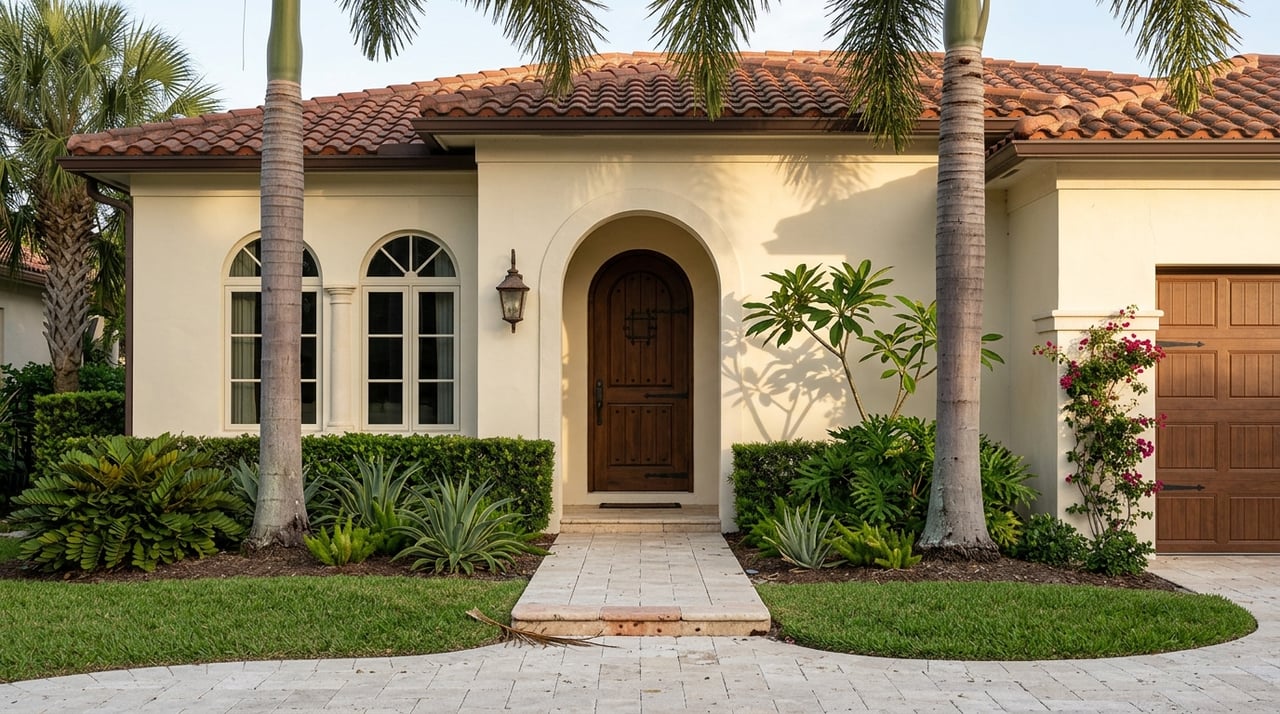
For you as a buyer, that often means homes with distinct architectural character. In Coral Gables, you may see Mediterranean Revival design, coral rock and oolitic limestone, loggias, barrel-tile roofs, and other original features that shape both the look of the home and the way you maintain it over time.
If you appreciate design, this is part of the appeal. A historic home in Coral Gables is not just older housing stock. It is often a property with visible craftsmanship and details that are central to the home’s identity.
What Counts as Historic in Coral Gables
Not every older home is treated the same way. Coral Gables bases local designation on historical, cultural, aesthetic, architectural, or archaeological significance. The city’s criteria include connections to major people or events, distinctive architecture or construction, strong visual identity, and archaeological value.
In most cases, properties that became significant within the past 50 years are not usually eligible. That matters because age alone does not determine whether a home is designated or subject to local preservation review.
You should also know that local designation and National Register recognition are separate programs in Coral Gables. The city’s Historical Resources Department manages local designation and design review, which is the process most likely to affect your plans as an owner.
Verify the Property’s Exact Historic Status
One of the biggest mistakes buyers can make is assuming that every charming older house in Coral Gables has the same rules. The city’s GIS mapping shows multiple historic districts, including City Hall, Country Club of Coral Gables, Coral Way, MacFarlane Homestead Subdivision, and several village-style districts.
That means you should verify the status of the specific parcel, not just the neighborhood. A home may be locally designated, located inside a historic district, or simply be an older property with no formal designation. Each scenario can lead to a different review path if you plan exterior changes.
This step matters early. Before you get attached to a renovation vision, make sure you understand exactly what type of historic oversight applies to the home you are considering.
Understand Renovation Rules Before You Buy
If the home is a designated landmark or sits within a historic district, exterior work that requires a building permit must go through historic review and receive a Certificate of Appropriateness before the permit can be issued. This is one of the most important things to understand before closing.
Some projects may be handled administratively. According to the city guide, minor work such as re-roofing, painting, or in-kind repairs can often move through an administrative review process.
Larger projects usually involve more scrutiny. Additions, demolition, and major exterior remodels may be referred to the Historic Preservation Board and can go to public hearing. Even noncontributing structures within historic districts may still be reviewed.
Board of Architects Review Matters Too
Historic review is not always the only layer. Coral Gables also uses the Board of Architects for design review, and that can affect your timeline and planning.
For example, the city states that exterior paint projects require Board of Architects approval. Its review standards look at color, materials, fenestration, proportion, roof tiles, and building expansions, all of which can directly affect how you update a historic home.
The city also requires a tree survey and tree protection plan for Development Review Committee and Board of Architects submittals, as well as for demolition permits. If your plans involve landscaping changes, additions, or teardown-related work, this can become an important part of your due diligence.
Budget Time for Review and Planning
Buying a historic home is often less about whether change is allowed and more about how you prepare for it. In Coral Gables, the city notes that changes may be approved when they are compatible with the existing architecture.
That usually means you should plan for more front-end work before construction begins. Design drawings, material selections, and product decisions can all influence the city’s review.
The city also explains that building permit requests for designated properties are first sent to Historic Preservation staff, who help coordinate with Building and Zoning. That coordination can be helpful, but it still means you should expect a more deliberate process than you might with a non-historic home.
Know the Preservation Mindset
A key preservation principle is repair before replacement. Guidance cited in the research notes that deteriorated historic features should be repaired when possible, and if replacement is necessary, new elements should match the old in design, color, texture, and other visual qualities.
In practical terms, that can affect windows, roof elements, exterior finishes, and decorative details. If your goal is to modernize every visible feature with off-the-shelf products, a historic property may require a more careful strategy.
Coral Gables also notes that additions may be approved if they are placed on a secondary facade and do not appreciably change the character of the house. That is helpful for buyers who want more space but still want to work within the home’s architectural framework.
Check Taxes and Fee Assumptions
Some buyers worry that historic status automatically means higher taxes or extra city costs. Coral Gables states that historic designation does not add extra fees, and local designation does not raise assessed property taxes solely because of that designation.
There may also be a potential tax benefit for qualifying owners. At the county level, qualifying historic properties may be eligible for an ad valorem tax exemption on the added value created by approved rehabilitation work. The exemption is based on the increase in value, applies to the county operating portion of taxes, and lasts 10 years.
This does not mean every project or property will qualify. It does mean that if you are planning a substantial approved rehabilitation, it may be worth asking how that program could apply to your situation.
Due Diligence Checklist for Buyers
When you are evaluating a historic home in Coral Gables, details matter. A strong due diligence process can help you avoid surprises after closing.
Here are some smart questions and tasks to prioritize:
- Confirm whether the property is locally designated, located in a historic district, or simply older.
- Research the home’s history using the city’s historical-significance resources and Virtual Historic City archive.
- Request permit history and confirm whether all prior permits were properly closed out.
- Ask whether past additions, roof replacements, or window changes were approved.
- Verify whether your future plans may require historic review, Board of Architects review, building permits, or tree-related approvals.
- Ask specific questions about paint colors, window scope, roof materials, fences, landscape impacts, and possible addition placement.
This kind of checklist is especially important if you are buying with renovation in mind. The more clarity you get upfront, the better you can assess cost, timing, and feasibility.
Why Specialist Support Can Make a Difference
Historic homes reward thoughtful planning. The research emphasizes that rehabilitation decisions are best made during project planning with qualified preservation professionals such as architects, architectural historians, historians, and archaeologists.
For most buyers, that does not mean building a large consultant team on day one. It does mean knowing when to bring in the right architect, inspector, contractor, or preservation-aware expert before you commit to major changes.
This is where experienced real estate guidance also matters. In a market like Coral Gables, a design-sensitive approach can help you evaluate not just the beauty of a home, but the practicality of owning and updating it.
Buying With Confidence in Coral Gables
A historic home in Coral Gables can offer something hard to replicate: architectural character, lasting visual identity, and a deep connection to the city’s design legacy. The key is to go in with clear expectations.
If you understand the home’s designation status, review requirements, permit history, and renovation limits before you buy, you can make a much more informed decision. That preparation helps you protect both your investment and the character that likely drew you to the property in the first place.
If you are exploring historic homes in Coral Gables and want design-aware, concierge-level guidance through the search and due diligence process, connect with Jorge Hidalgo to schedule a confidential consultation.
FAQs
What makes a home historic in Coral Gables?
- In Coral Gables, a property may be considered historic based on historical, cultural, aesthetic, architectural, or archaeological significance, not simply because it is old.
Do all older homes in Coral Gables have the same preservation rules?
- No. A home may be locally designated, located within a historic district, or simply older without formal designation, and each status can affect review requirements differently.
Do you need approval to remodel a historic home in Coral Gables?
- If the property is designated or located in a historic district, exterior work that requires a building permit must go through historic review and receive a Certificate of Appropriateness before permit issuance.
Does exterior paint need approval in Coral Gables?
- Yes. The city states that exterior paint projects require Board of Architects approval.
Can historic designation raise property taxes in Coral Gables?
- The city states that local historic designation does not raise assessed property taxes solely because of the designation.
What should buyers check before buying a historic home in Coral Gables?
- Buyers should verify historic status, review permit history, confirm whether permits were closed out, and ask what future work may require historic, architectural, building, or tree-related approvals.
