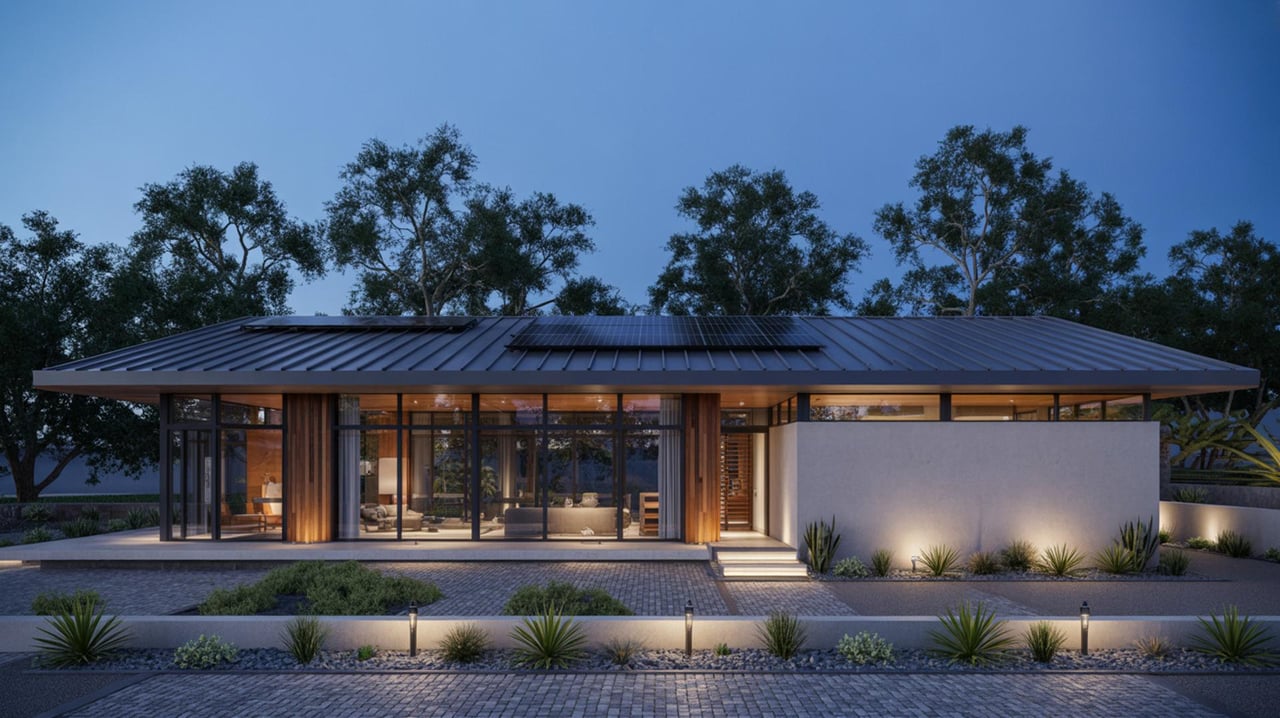
Creating an energy-efficient home doesn't have to break the bank. With a few smart upgrades, homeowners can significantly reduce their energy consumption, lower utility bills, and contribute to a healthier environment. These upgrades not only enhance the comfort of your living space but also increase the value of your property. By focusing on cost-effective improvements, anyone can make their home more sustainable without a hefty investment.
Insulating Your Home
One of the most effective ways to improve energy efficiency is by enhancing your home's insulation. Proper insulation helps maintain a consistent indoor temperature, reducing the need for excessive heating or cooling. Focus on insulating areas like the attic, walls, and floors, as these are common sources of heat loss. Using materials such as fiberglass, cellulose, or foam can provide excellent thermal resistance. Additionally, sealing gaps around windows and doors with weatherstripping or caulk can prevent drafts and further improve insulation.
Upgrading to Energy-Efficient Windows
Windows play a crucial role in a home's energy efficiency. Upgrading to energy-efficient windows can significantly reduce heat loss during winter and keep your home cooler in the summer. Look for windows with low-emissivity (Low-E) glass, which reflects heat while allowing natural light to enter. Double or triple-pane windows with gas fills between the panes offer superior insulation compared to single-pane options. While the initial investment may be higher, the long-term savings on energy bills make this upgrade worthwhile.
Installing a Programmable Thermostat
A programmable thermostat is a simple yet effective tool for managing your home's energy use. By setting different temperatures for various times of the day, you can ensure that your heating and cooling systems operate only when needed. This reduces energy waste and can lead to significant savings on utility bills. Many modern thermostats also offer smart features, allowing you to control your home's temperature remotely via a smartphone app. This flexibility ensures optimal energy use, even when you're not at home.
Switching to LED Lighting
Lighting accounts for a substantial portion of a home's energy consumption. Switching to LED bulbs is a cost-effective way to reduce this usage. LEDs use significantly less energy than traditional incandescent bulbs and have a much longer lifespan. They also produce less heat, which can help reduce cooling costs in warmer months. With a wide range of color temperatures and styles available, LED lighting can enhance the ambiance of your home while cutting down on energy costs.
Installing Low-Flow Fixtures
Water heating is another major energy expense in many homes. Installing low-flow fixtures, such as showerheads and faucets, can reduce water usage and the energy required to heat it. These fixtures are designed to maintain water pressure while using less water, making them an efficient upgrade. By reducing hot water consumption, homeowners can lower their energy bills and conserve water, contributing to a more sustainable lifestyle.
Utilizing Smart Power Strips
Many electronic devices continue to draw power even when they're turned off, leading to unnecessary energy consumption. Smart power strips can help mitigate this issue by cutting off power to devices that are in standby mode. These strips can be programmed to turn off automatically at certain times or when not in use, reducing phantom energy loads. This simple upgrade can lead to noticeable savings on electricity bills and is an easy way to enhance your home's energy efficiency.
Adding Solar Panels
While solar panels represent a more significant investment, they offer substantial long-term benefits. By harnessing the power of the sun, solar panels can significantly reduce or even eliminate your electricity bills. Many regions offer incentives and rebates for solar panel installation, making them more affordable. Over time, the savings on energy costs can offset the initial expense, and any excess energy generated can often be sold back to the grid, providing an additional financial benefit.
Implementing Energy-Efficient Appliances
Replacing old appliances with energy-efficient models can have a major impact on your home's energy consumption. Look for appliances with the ENERGY STAR label, which indicates that they meet strict energy efficiency guidelines. Upgrading to energy-efficient refrigerators, dishwashers, and washing machines can reduce electricity use and water consumption. While these appliances may come with a higher upfront cost, the savings on utility bills and the reduced environmental impact make them a smart investment.
Enhancing Natural Ventilation
Improving natural ventilation in your home can reduce the need for mechanical cooling systems. By strategically opening windows and doors, you can create cross-ventilation that cools your home naturally. Installing ceiling fans can also help circulate air, making your home more comfortable without relying heavily on air conditioning. This approach not only saves energy but also improves indoor air quality, creating a healthier living environment.
Using Reflective Roofing Materials
The roof is a significant source of heat gain in many homes. Using reflective roofing materials can help reduce this heat absorption, keeping your home cooler and reducing the need for air conditioning. These materials reflect more sunlight and absorb less heat compared to traditional roofing options. This upgrade can be particularly beneficial in warmer climates, where cooling costs are a major concern. By reducing the heat load on your home, reflective roofing materials contribute to lower energy bills and a more comfortable living space.
Take the Next Step Towards Energy Efficiency
Making smart upgrades to your home doesn't have to break the bank. By choosing budget-friendly options, you can enjoy a more energy-efficient living space while saving money in the long run. Whether it's adding insulation or switching to LED lighting, these small changes can make a big difference. If you're ready to explore more ways to enhance your home's efficiency, contact Jorge Hidalgo for expert advice and guidance.
